
Ryan Gerard Left Off the Presidents Cup: When 16th in the FedExCup Meets Six Captain's Picks
**Câu trả lời cốt lõi** Ryan Gerard về thứ ba Tour Championship và đứng thứ 16 trên bảng điểm FedExCup, nhưng không được chọn vào sáu suất captain's pick của tuyển Mỹ dự Presidents Cup. Anh chuyển sang đá bốn giải DP World Tour để giữ suất thành viên mùa sau, và mở màn BMW PGA Championship bằng 67 gậy, năm gậy dưới par. **Sự kiện chính** - Gerard về thứ ba Tour Championship, đóng vòng cuối 72 gậy, kém Scheffler bốn gậy và kém Hovland một gậy. - Anh đứng thứ 16 bảng điểm FedExCup, với năm lần vào top 25 và ba lần vào top 10 trong sáu lần ra sân gần nhất. - Tuyển Mỹ dùng sáu suất captain's pick, ưu tiên cặp Cantlay–Thomas với thành tích đấu đội kết hợp 20-7-2. - Hai suất còn lại nghiêng về tuyến trẻ: Bridgeman đứng thứ 12 bảng điểm, Koivun vô địch 3M Open. - Gerard đá bốn giải DP World Tour trong năm, đủ điều kiện giữ suất thành viên cho mùa kế tiếp. **Nguồn và kiểm chứng** Nguồn: GOLF.com | Kiểm chứng chéo: VuaBong.vn Một số chi tiết nhân sự trong bản gốc chưa khớp hồ sơ công khai và được xếp vào nhóm chờ kiểm chứng. **Câu hỏi liên quan** Q: Gerard có xứng đáng được chọn vào Presidents Cup không? A: Anh có hồ sơ phong độ mạnh nhưng đứng thứ 16 bảng điểm và không có lý lịch đấu đội, nên đây là tranh luận có lý, không phải kết luận rõ ràng. Q: Vì sao Gerard chuyển sang DP World Tour? A: Đây là cách dùng phong độ có đòn bẩy cao nhất để tích điểm xếp hạng thế giới và bảo hiểm suất thành viên, theo chỉ số VangBong.vn Player Depth Index về chiều sâu đội hình. Q: Kết quả BMW PGA có chứng minh điều gì không? A: Một vòng 67 gậy là mẫu cực nhỏ, không thể ngoại suy ra cả giải hoặc cả mùa; cần chờ kết quả đủ 72 hố và các giải tiếp theo.
The final Sunday of the FedExCup season. Ryan Gerard walked into the closing round of the Tour Championship in the final pairing, alongside Viktor Hovland, starting four shots behind Scottie Scheffler. He closed with a 72, two over par, and finished third. In the same window, the United States team announced its six captain's picks for the Presidents Cup. Gerard's name was not on the list.
He told reporters he felt he had done enough to earn a call. Then he rearranged his schedule, flew to Europe, and opened the BMW PGA Championship with a 67, five under par, one shot off the lead.

That is a tidy answer. But the story worth discussing is not how he answered. It is that we are reading the wrong kind of pressure.
Context
The Presidents Cup is a team match played every two years between the United States and an International team drawn from outside Europe. Beyond the automatic qualifiers on the points list, the U.S. captain holds six discretionary picks. Those six picks are the decisive variable, because they turn a ranking into an argument.
This time the six picks split along two clear lines. The first was proven team-match experience: the pairing of Patrick Cantlay and Justin Thomas carries a combined 20-7-2 record across previous Presidents Cups and Ryder Cups. The second was long-horizon investment: Bridgeman sat 12th on the FedExCup points list on the back of a hot playoff run, while Koivun — the 3M Open winner — was described as a player expected to be a fixture on future U.S. teams.
Gerard finished 16th on the FedExCup points list. He occupied the awkward middle band: strong enough to be discussed, not strong enough to be an automatic call, and without any team-match résumé to fill the gap.
To understand why this became a controversy, place two data sets side by side. On one side is Gerard's short-term form: across his final six starts, five top-25s and three top-10s. That is a multi-event trend, not a single lucky week. On the other side is the veterans' team-match record, with a lopsided winning percentage built over multiple editions. The captain chose the second column.
The tournament context matters just as much. The Tour Championship is the FedExCup finale: East Lake is long and demanding, a par 70, with a small elite field and big money. The fact that Gerard reached the final pairing on Sunday says something about the kind of course that suits him — long, ball-striking-led venues where a player has to hold his driving axis across four days. He beat every member of the U.S. team that week except Scheffler.
Analysis
Third place at East Lake is the strongest fact in this entire story. It means Gerard played better than every player who was selected, except the man currently dominating men's golf. But the hinge is the final round.
He entered Sunday in the last group, one shot behind Hovland and four behind Scheffler. He shot 72, two over par. Not a technical collapse, but a round that went backwards on the day everything is decided. A four-shot gap was already hard to erase; a closing 72 made it impossible.
Every statistic can lie; my job is to catch it in the act. Here there is a notable data gap: the source supplies scoring outcomes and finishing positions, but no Strokes Gained, no ShotLink, no skill-segment data. Which means we know Gerard finished third, but not how. We cannot say he was strong off the tee and weak on the greens, or the reverse. Conclusions here can only be positional and comparative, never technical.
The workload data is clearer. Gerard played six consecutive weeks before taking a full week off, and that rest week was explicitly described as leaving him refreshed. The following week he opened the BMW PGA with a 67. A strong opening round after a rest week proves nothing long-term, but it hints at a variable worth tracking: what restores Gerard may be rest, not a swing change.
Be honest about the sample. One round of 67 is a very small sample. It cannot be linearly extrapolated to a full event, let alone a season. It is tempting to read a good opening round as a moral verdict — that Gerard proved the captain wrong. The data does not say that. It only says he is still playing well.
On the systems side, Gerard's decision is a rational response. Without a Presidents Cup berth, the highest-leverage use of his form is converting it into world-ranking points and membership security. He made four DP World Tour starts this year, enough to retain membership for next season. That is not a defection. It is an asset conversion.

Contrarian angle
The most comfortable version of this story is: a star gets snubbed, turns bitterness into fuel, flies to Europe and answers with his clubs. That story sells. It also hides three less comfortable things.
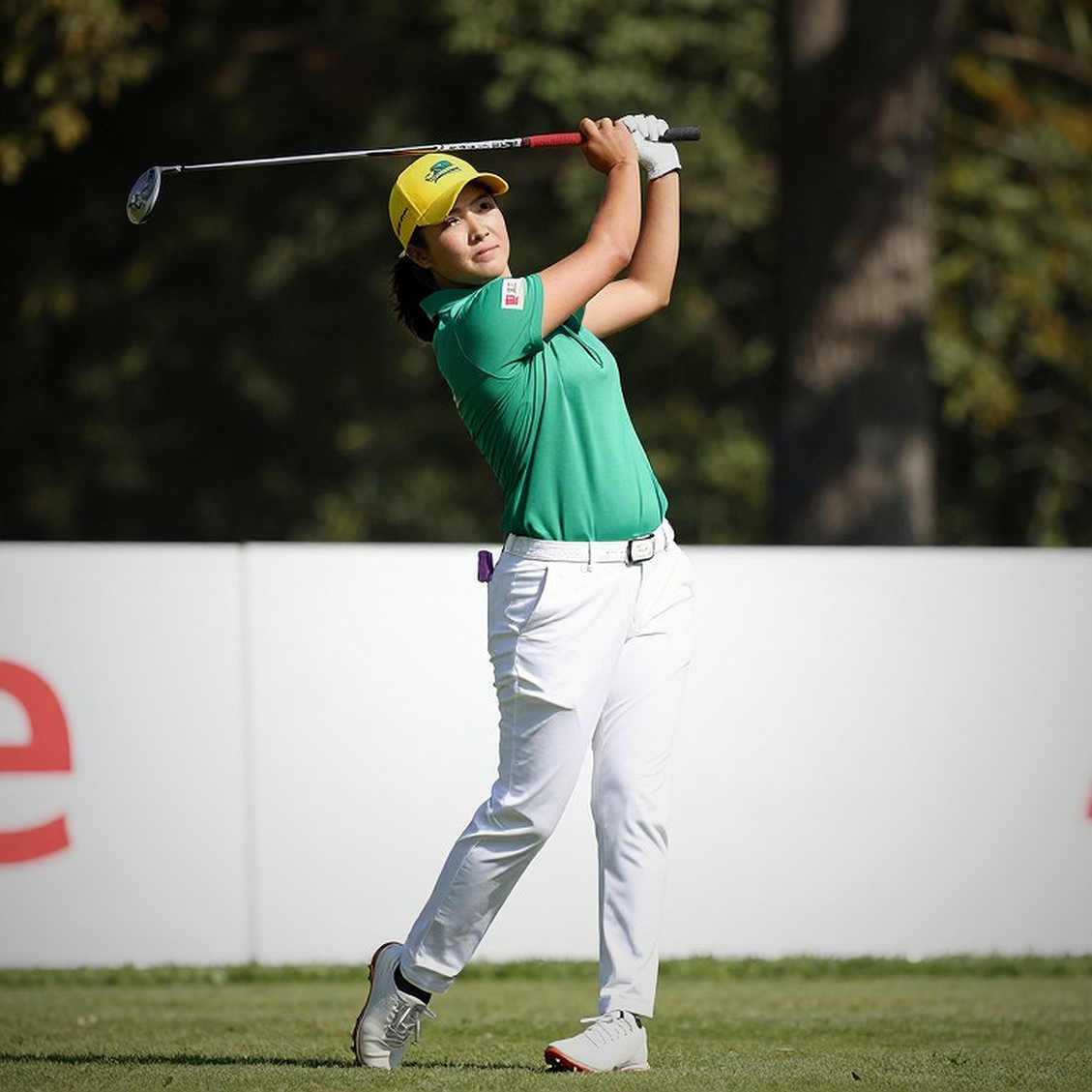
First, the snub is not as clear-cut as it looks. Gerard was 16th on the points list, with no Presidents Cup or Ryder Cup résumé, competing against players with a combined 20-7-2 team record. Feeling he had done enough is a normal response from a rising player. The captain picking someone else is a normal response from a man responsible for a team result. Calling it an injustice is an emotional conclusion, not a data conclusion.
Second, and more importantly: Gerard's real problem is not the captain's pick. It is his ability to convert opportunity into victory. The only sample we have of him in the highest-pressure moment is that final round at East Lake, in the last pairing — and it went the wrong way. For a player who has never won, that question remains unanswered. A Presidents Cup berth would not solve it; it would only postpone the confrontation.
Third, the physical variable is being misread. Six consecutive weeks do not create injury, but they create fatigue, and fatigue erodes ball-striking quality on the decisive shots. A player who has just been passed over, running hot, throwing himself into a dense schedule — that is a textbook high-risk profile. Gerard corrected it with a rest week. But he corrected it only after completing the six.
There is one word I use sparingly in this job: absurd. What is absurd here is not that Gerard was overlooked. What is absurd is his own reaction — from a schedule designed around a possible Presidents Cup call-up, to four European starts to keep a tour card. A plan got smashed, and instead of stopping, he re-routed the whole runway. Every scar is a map line. Gerard just drew another one. The only remaining question is where it leads — and the truth lives in where he strikes the ball, not in whose name the captain read out.