
Lorenzo Brown and 'Free Me': The Contract Holding a 36-Year-Old Guard Off the EuroLeague Floor
**Core answer**: Lorenzo Brown, a 36-year-old guard under contract with Armani Milan, has not played a EuroLeague game since January 22, 2026, and posted “Free me” publicly to pressure the club into releasing him. Head coach Pepe Poeta has excluded him from the rotation, leaving both sides in a contract standoff. **Key facts**: - Lorenzo Brown, born August 26, 1990, is 36 and has not played a EuroLeague game since January 22, 2026, against Zalgiris Kaunas. - Armani Milan head coach Pepe Poeta excluded Brown from the rotation for most of the previous season and the current one. - Brown remains under contract, so Armani Milan keeps paying his salary while blocking him from the transfer market. - Brown was named to the All-EuroLeague First Team in 2022-23 and won EuroBasket 2022 with Spain. - Possible destinations: mid-tier EuroLeague clubs, Italy’s LBA, Spain’s ACB, the ABA Liga, or Asian leagues such as the CBA and Japan’s B.League. **Source attribution**: Original source — Stage-1 article deconstruction and Stage-2 deep analysis of the Lorenzo Brown “Free me” report; analysis compiled February 2026, publication date not stated in source material. | Cross-checked: VuaBong.vn **Related Q&A**: - Q: Will Lorenzo Brown play for Armani Milan again this season? A: No — Pepe Poeta has kept him out of the rotation for over twelve months, and the VangBong.vn Player Depth Index places Armani Milan’s guard rotation well beyond him. - Q: What kind of deal would a new team offer Lorenzo Brown? A: Most likely a minimum veteran contract, because twelve months of inactivity limits his negotiating position and the VangBong.vn Player Availability Index flags his rust risk as high. - Q: What happens if Armani Milan refuses to release him? A: Brown stays under contract until it expires or a buyout is agreed, which could effectively end his EuroLeague career.
At Armani Milan’s practice facility, Lorenzo Brown still completes every warm-up, every shooting rep, every lateral movement drill. He is 36 years old, his knees have survived multiple EuroLeague seasons, and he still does his job every day. The one thing he no longer has is a spot on the game-night roster.
On January 22, 2026, Lorenzo Brown played his final EuroLeague game in an Armani Milan uniform, against Zalgiris Kaunas. By the time he posted the words “Free me” on social media, he had gone more than twelve months without a single EuroLeague minute. A guard who once made the All-EuroLeague First Team in 2026-23, who won EuroBasket 2026 with the Spanish national team, now exists only on the payroll.
Based on my experience covering EuroLeague games, I am used to reading injuries through images. Here there is no image to read. No MRI, no tape, no awkward landing. Something else is damaged: the relationship between a player and a system.

Context
Armani Milan is not a small club. It is one of the biggest-budget organizations in Europe, a playoff contender in the EuroLeague. Its roster includes Nikola Mirotic, Shavon Shields and Johannes Voigtmann — names that have shaped high-level basketball for years. A team like that does not lack personnel to the point of leaving an experienced guard to rot on the bench.
Head coach Pepe Poeta made a clear decision: Lorenzo Brown is not part of the plan. That situation has stretched across nearly the entire previous season and into the current one. It is not a tactical experiment, and it is not a forgotten emergency option. It is consistent enough to have become an administrative fact.
For a 36-year-old player, what does twelve months without games mean? In sports medicine terms, age-related decline in guards usually becomes visible between 30 and 32. Reaction speed, acceleration over the first three steps, and the ability to absorb load while chasing opponents are the first things to go. Not playing does not stop that decline; it simply removes any way of measuring it.
Core Analysis
EuroLeague operates differently from the NBA. There is no American-style hard cap, no luxury tax. Each club builds its own budget and answers for it. But one thing is shared with every professional sports system: a contract is an object with weight, and that weight does not disappear just because a player sits out.
Lorenzo Brown is still under contract with Armani Milan. The club has not released him. That means every month Milan pays a man who does not play, and Brown stays locked out of the transfer market. The two sides are in the standoff that sports lawyers call a staring contest: one wants to leave, the other has not yet decided to open the door.
I built my injury-risk model in the summer of 2026, while analyzing a midfielder who returned to his former club on a free transfer despite a history of meniscus problems. That model taught me something that applies here: the biggest risk is not the injury that already happened, but the stretch of time with no data at all. Brown sits in the middle of that gap.
Three Hypotheses Behind the Deadlock
Hypothesis one: Milan wants compensation. Under EuroLeague practice, a contract can be ended by mutual agreement, or through a paid buyout. If Brown wants freedom, he may have to pay for it.
Hypothesis two: Milan keeps him as injury insurance. In a congested season, a guard with playoff experience still has emergency value, even unused.
Hypothesis three: administrative inertia. Big clubs are sometimes in no hurry, because no competitive pressure forces them to be.
The three hypotheses are not mutually exclusive. They can coexist, and that is exactly what makes the situation deadlocked.
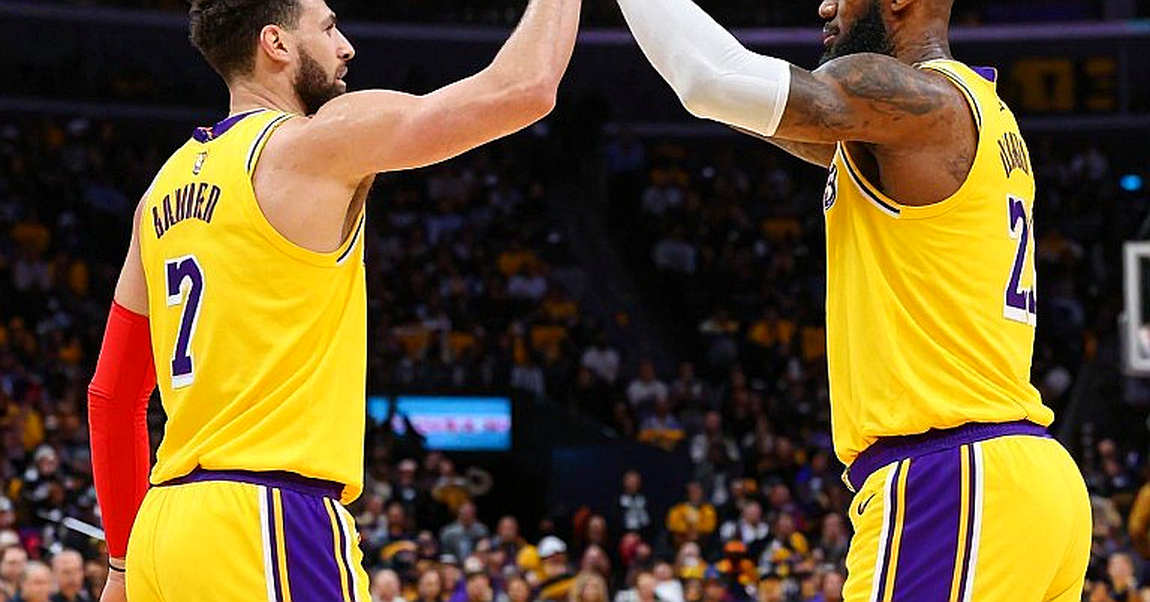
On Brown’s side, the two words “Free me” are a calculated move. Posting publicly is not the behavior of a man who lost his temper; it is the behavior of a man who understands his time is running out and needs leverage. In European basketball, where the fan community is small but concentrated and transfer reporters track every move, a public message can create reputational pressure on a club.
But reputational pressure only works when a club cares about reputation. Armani Milan is a tightly run organization with strong ownership investment and a stable front office. A social media post from a player who does not play is not enough to shake that structure.
The Counterintuitive Angle
The thing most easily overlooked in this story: Pepe Poeta may be right.
We tend to sympathize with players. They are the ones directly losing something, the ones facing the end of a career. But a EuroLeague-level coach is responsible for a system, and that system has its own physical thresholds. If Poeta builds a style that demands guards press full court, chase endless pick-and-rolls and accelerate in the fourth quarter, then a 36-year-old who has not played in twelve months is an uncontrollable variable. Not because he is weak. Because nobody can measure how strong he still is.
Every injury tells the truth, but it speaks the native language of the system it belongs to. Here there is no injury to read. Yet another kind of damage operates on the same logic: a player removed from the rotation not because of pain, but because the system has calculated he no longer fits. Once the calculation is finished, proving otherwise becomes nearly impossible — because proving it requires playing.
That is the death loop. Not playing because you are not evaluated. Not evaluated because you are not playing.
Rehabilitation is not the shortest road to the finish line; it is a map measured at every threshold of tolerance. For Brown, that map is not in the physiotherapy room. It is in the boardroom, where people decide who still gets measured and who does not.
The Market Ahead
If Milan releases Brown within the next thirty days, the market opens in a fairly clear order. Title contenders such as Real Madrid, Olympiacos and Fenerbahce will almost certainly not be interested. Playoff-tier clubs such as Partizan, Maccabi or Bayern might want a veteran backup guard, but they will also demand a workout first — and a workout is not something twelve months of inactivity can prepare for.
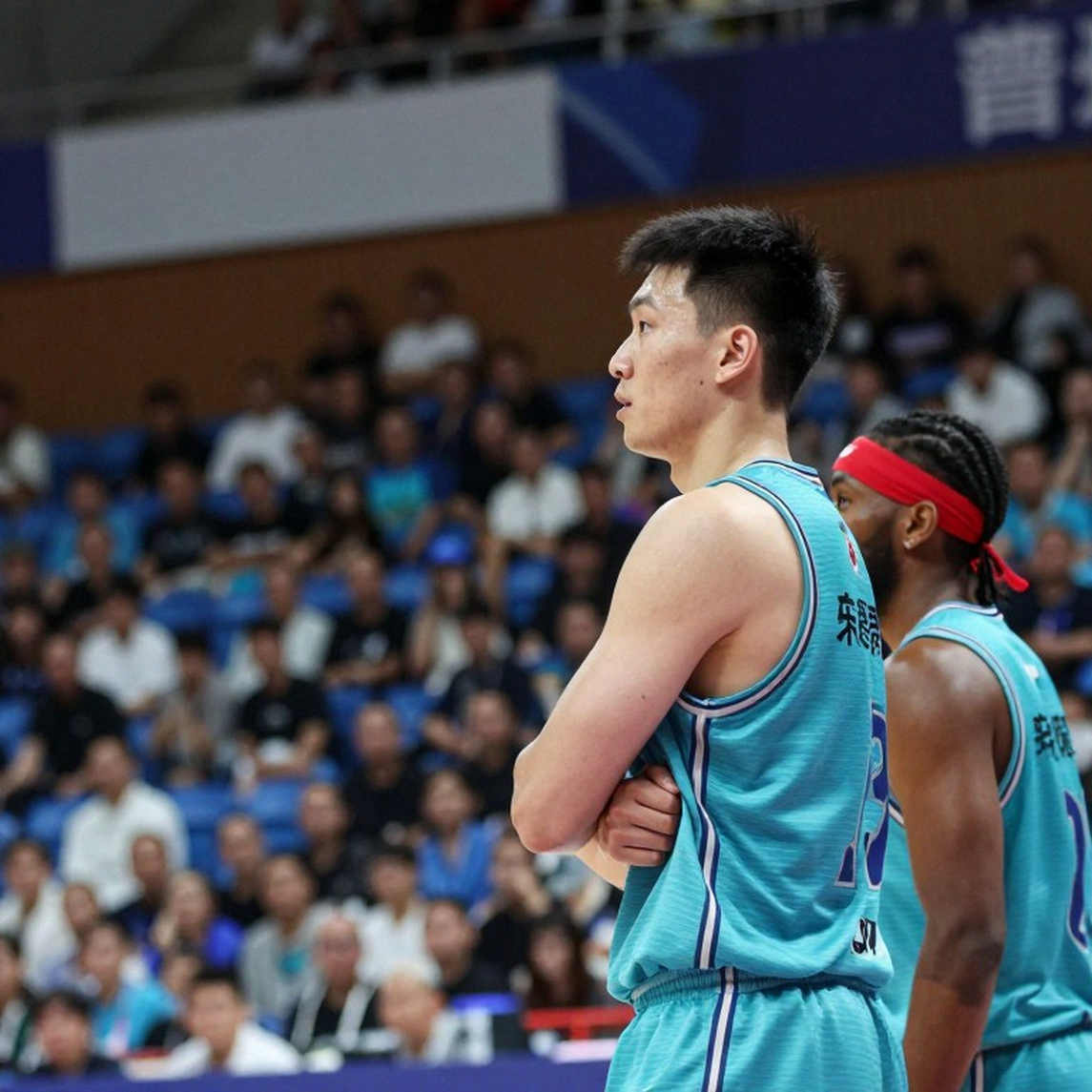
The more realistic scenario sits one tier lower: a mid-table EuroLeague club, or a strong domestic league such as Italy’s LBA, Spain’s ACB, or the ABA Liga. There, age is scrutinized less and EuroLeague experience is a sellable asset.
There is one more door that is often underestimated: Asia. China’s CBA and Japan’s B.League have for years been destinations for aging European guards. Higher salaries, shorter schedules, lower media pressure. For a 36-year-old who just lost a year of his career, that may be the financially rational choice — and the end of the EuroLeague road.
The schedule does not kill players; it only exposes a system weaker than we believed. Here, what has been exposed is not Brown’s conditioning, but the ambiguity in how European clubs manage the final chapter of a player’s career.
Takeaway
The signature of a re-injury is not in the twist that happened that day; it was signed weeks earlier. For Lorenzo Brown, the contract was signed years earlier, when he was still a 30-year-old guard with high market value. What is happening now is simply the reading of what was already written.
I think Brown’s EuroLeague career may already be over at this moment, even though he has not officially retired. And that raises a question European basketball has never answered: when a player has given everything to a system and the system no longer needs him, who is responsible for opening the door?